

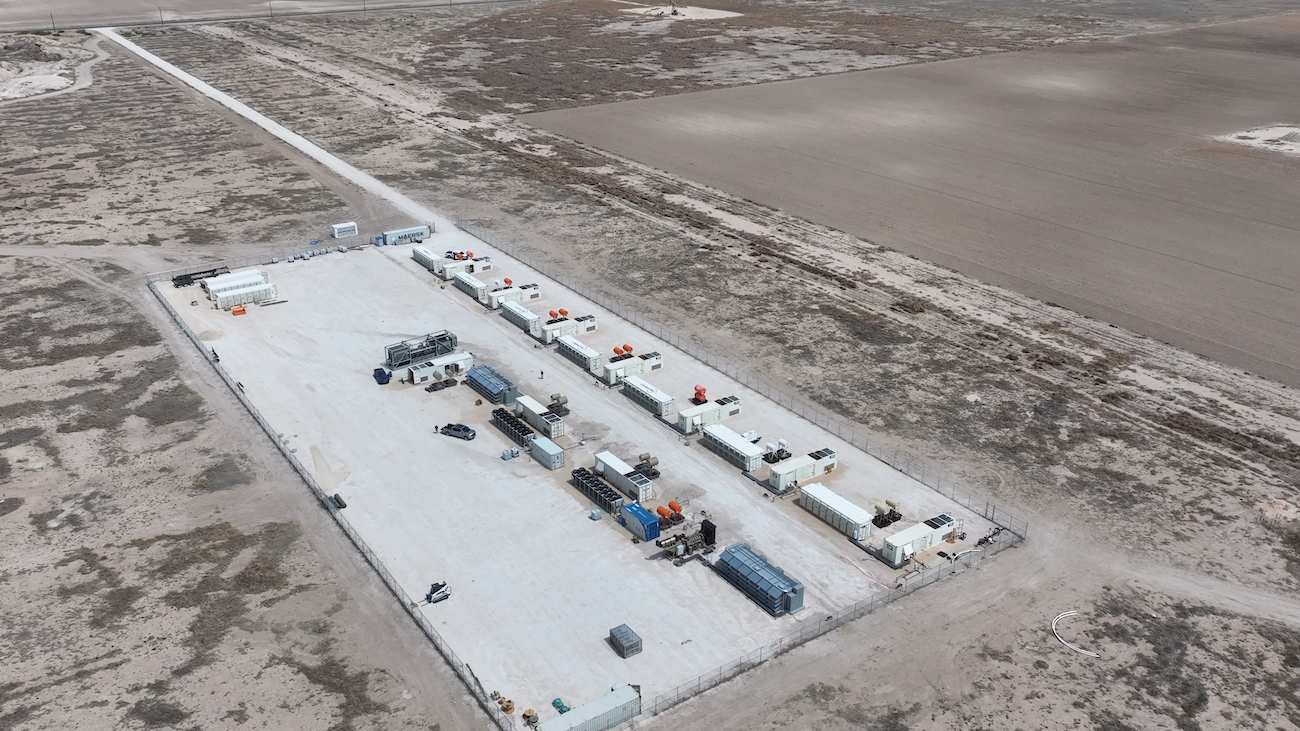
The expansion of artificial intelligence, cloud computing and digital services is driving a new phase of growth for the data center industry. Yet as the need for computing capacity increases, one of the sector’s main challenges becomes more evident: securing the power supply required to sustain that expansion.
According to the International Energy Agency (IEA) report Key Questions on Energy and AI, global electricity consumption by data centers could rise from 485 TWh in 2025 to roughly 950 TWh in 2030. The projection reflects the scale of the energy challenge that comes with the growth of the digital economy.
This scenario is shifting investment priorities. Where data center location was traditionally tied to proximity to large markets, users and connectivity networks, the availability of power, its cost and the time required to access it now carry growing weight.
Energy as a Condition for Digital Growth
Building digital infrastructure takes far more than servers, processors and storage systems. Data centers require large volumes of power, a reliable supply and cooling systems capable of supporting increasingly intensive operations.
The issue is not only how much energy is available, but also whether the grid can deliver it where and when it is needed.
According to the IEA’s Energy and AI report, around 20% of the data center capacity planned worldwide through 2030 could face delays linked to grid connection constraints if these difficulties are not resolved.
At the same time, energy infrastructure follows its own development timelines. Building new transmission lines, expanding substations and securing critical equipment can take several years.
This gap between the pace of digital technology and the lead times of power infrastructure is creating new challenges for operators, developers and investors.
Energy availability is no longer just an operating condition: it is becoming a strategic factor in determining whether new projects are viable.

A New Map for Digital Infrastructure
For decades, the world’s main data centers were concentrated in markets that offered connectivity, proximity to users and established technology ecosystems. That concentration, however, is also placing growing pressure on their power systems and their capacity to expand.
CBRE Group’s Global Data Center Trends 2026 report finds that energy constraints and grid connection timelines are directly influencing where new projects are located.
As a result, other regions that offer available land, energy resources and room to develop large-scale infrastructure are gaining prominence.
This shift does not mean connectivity has lost importance. Each data center’s location still depends on its operating needs: some applications require near-instant response times and proximity to users, while certain compute-intensive workloads can run in locations farther from major urban centers.
What is changing is the balance between these factors.
JLL, one of the leading global investment management and advisory firms, notes in its 2026 Global Data Center Outlook that speed of access to power has become one of the main site selection criteria, alongside community acceptance, latency and proximity to customers.
When Energy and Digital Infrastructure Converge
Faced with the limits of traditional grids, the industry is beginning to explore models that integrate power generation more directly with computing facilities.
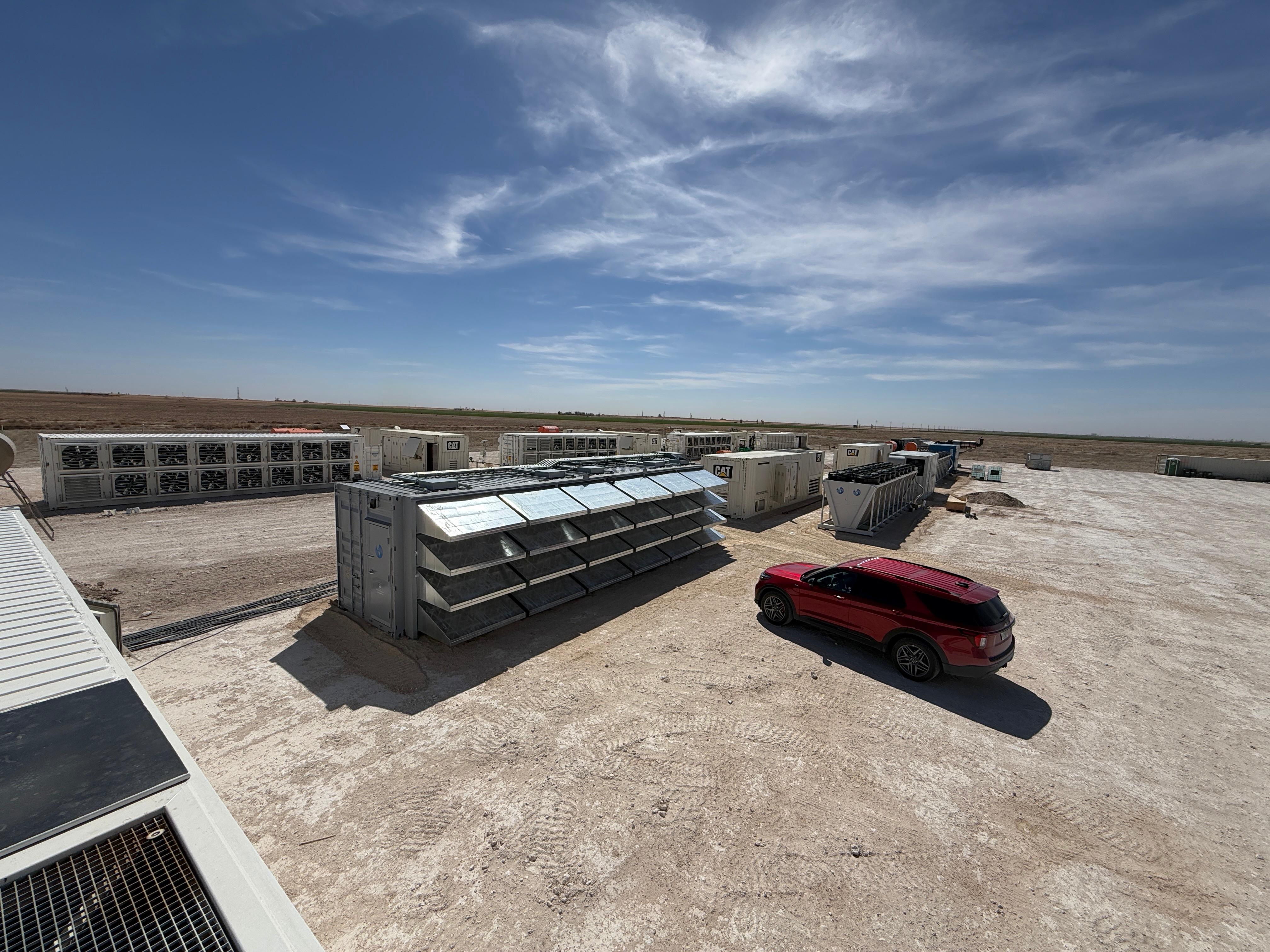
These alternatives include on-site generation, behind-the-meter solutions and developments that operate independently of the grid (off-grid).
The trend is already visible in the United States.
In September 2026, Reuters reported growing interest among data center developers in installing small and mid-sized gas turbines to supply their operations without depending solely on grid connection timelines.
These alternatives do not eliminate every infrastructure challenge. Their viability depends on fuel supply, generation technology, operational reliability, costs, and the regulatory and environmental conditions of each location.
They do, however, reflect a meaningful transformation: power generation and computing infrastructure are beginning to be planned as components of a single project.
In certain developments, this makes it possible to consider locations that might previously have been ruled out for lack of immediate grid connection capacity.
A New Opportunity for Energy-Rich Regions
The evolution of these models also raises questions about the future global map of digital infrastructure.
If power availability carries growing weight in location decisions, regions with access to energy resources, generation potential and suitable conditions for new infrastructure could attract greater interest from developers.
For Argentina, this scenario presents an opportunity to examine how its energy resources can be integrated into new activities linked to the digital economy.
Vaca Muerta, in particular, combines significant natural gas production with an ecosystem of energy infrastructure and services that could support the development of power generation projects tied to new computing facilities.
Having energy resources, however, is only part of the equation. Turning that potential into concrete projects also requires connectivity, investment, technology infrastructure, permits, customers and conditions that ensure operational continuity.
The challenge lies in bringing all of these components together within technically and economically viable models.
Energy as the Starting Point of a New Phase
The growth of data centers is making clear that the expansion of the digital economy increasingly depends on decisions tied to energy infrastructure.
Artificial intelligence will continue to drive new computing needs, but the ability to meet that demand will be shaped by factors such as energy availability, costs, development timelines and operational reliability.
In this context, the convergence of power generation and digital infrastructure opens new possibilities for developers and for regions able to offer energy solutions tailored to those needs.
At BigSur Energy, we believe the future of digital infrastructure will be increasingly tied to the availability and use of energy resources. This vision drives our off-grid generation model, which integrates natural gas power generation with high-performance modular data centers developed close to the energy source.
The future of data centers will depend not only on where technology demand is concentrated, but also on where the conditions exist to sustain it.


